Brawn GP - The Rise to Glory
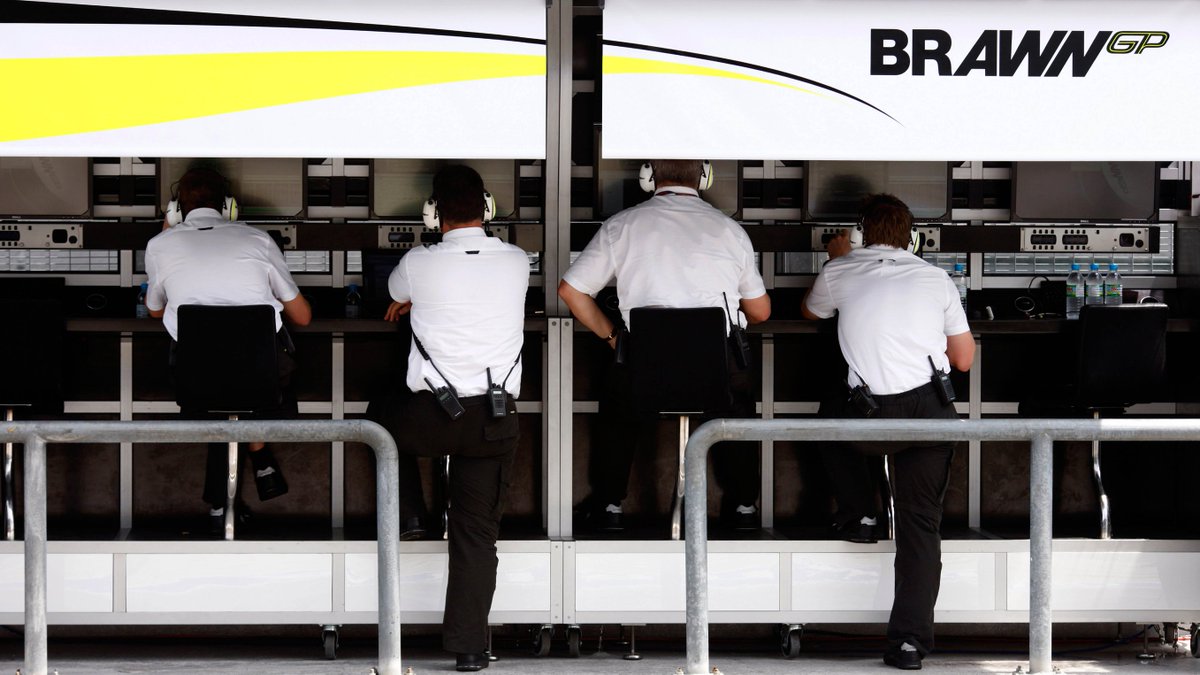
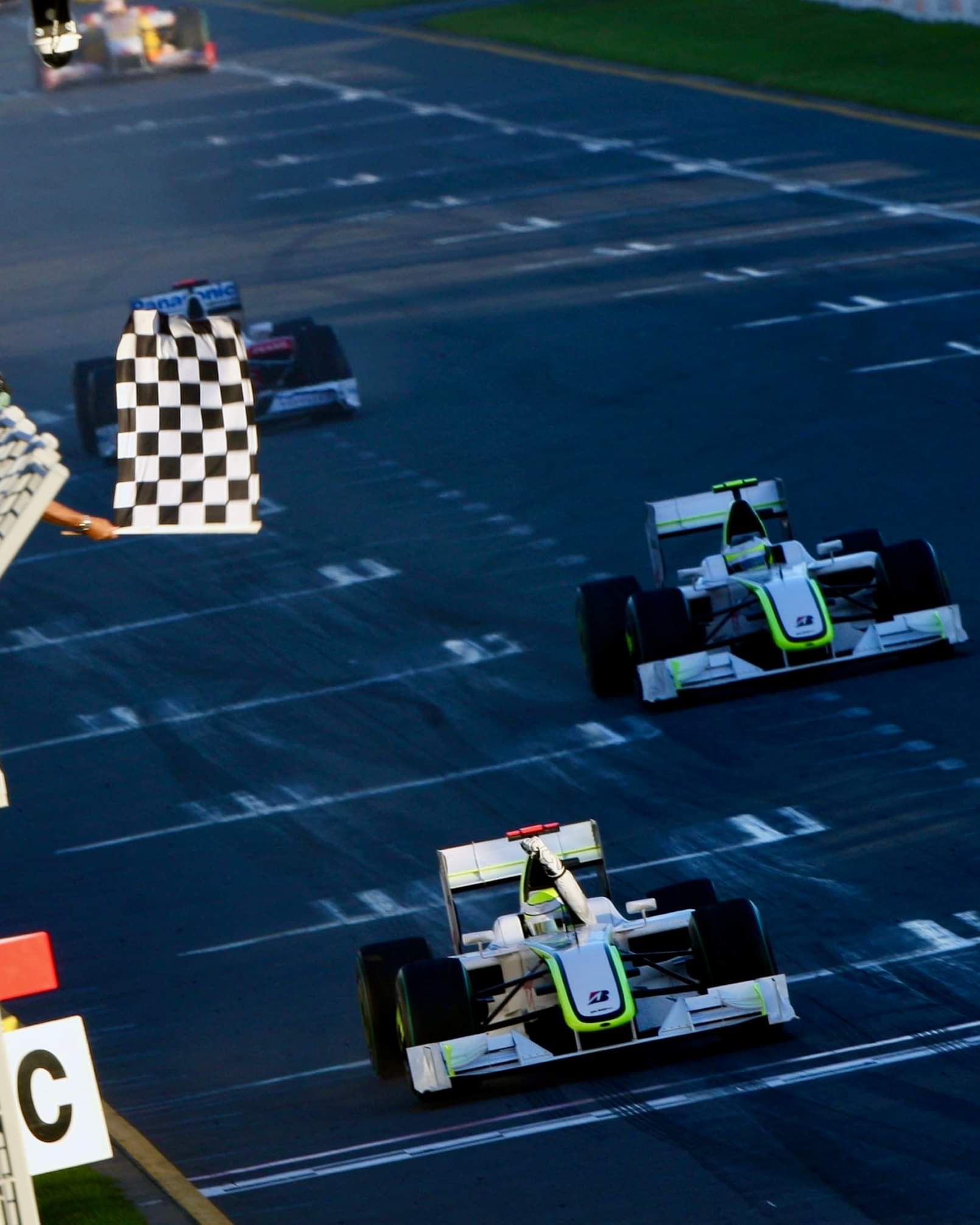
Brawn GP was a Formula One team that emerged from the ashes of the Honda Racing F1 Team in 2009. The team was founded by Ross Brawn, the man who had been instrumental in Ferrari’s dominance during the early 2000s, as well as the team principal of Honda F1 before they withdrew from the sport. When Honda pulled out of Formula 1 at the end of 2008 due to financial difficulties, Ross Brawn, along with key members of Honda’s engineering team, took over the operations of the team and bought it for a symbolic £1. The team was rebranded as Brawn GP, with the goal of continuing the work Honda had started but with a more limited budget. Despite having just a few months to prepare for the 2009 season, Brawn GP quickly became the team to beat. Their BGP001 car, designed by the highly skilled technical team, was revolutionary. The car featured a double diffuser, a design innovation that gave the car a huge aerodynamic advantage, allowing it to excel in both high-speed and low-speed corners. The car’s exceptional performance was evident from the very first race of the season, when Jenson Button, the team's lead driver, won the 2009 Australian Grand Prix. Over the course of the season, Button and teammate Rubens Barrichello consistently finished at the front, with Brawn GP dominating the Constructors’ Championship.
A Season of Triumph
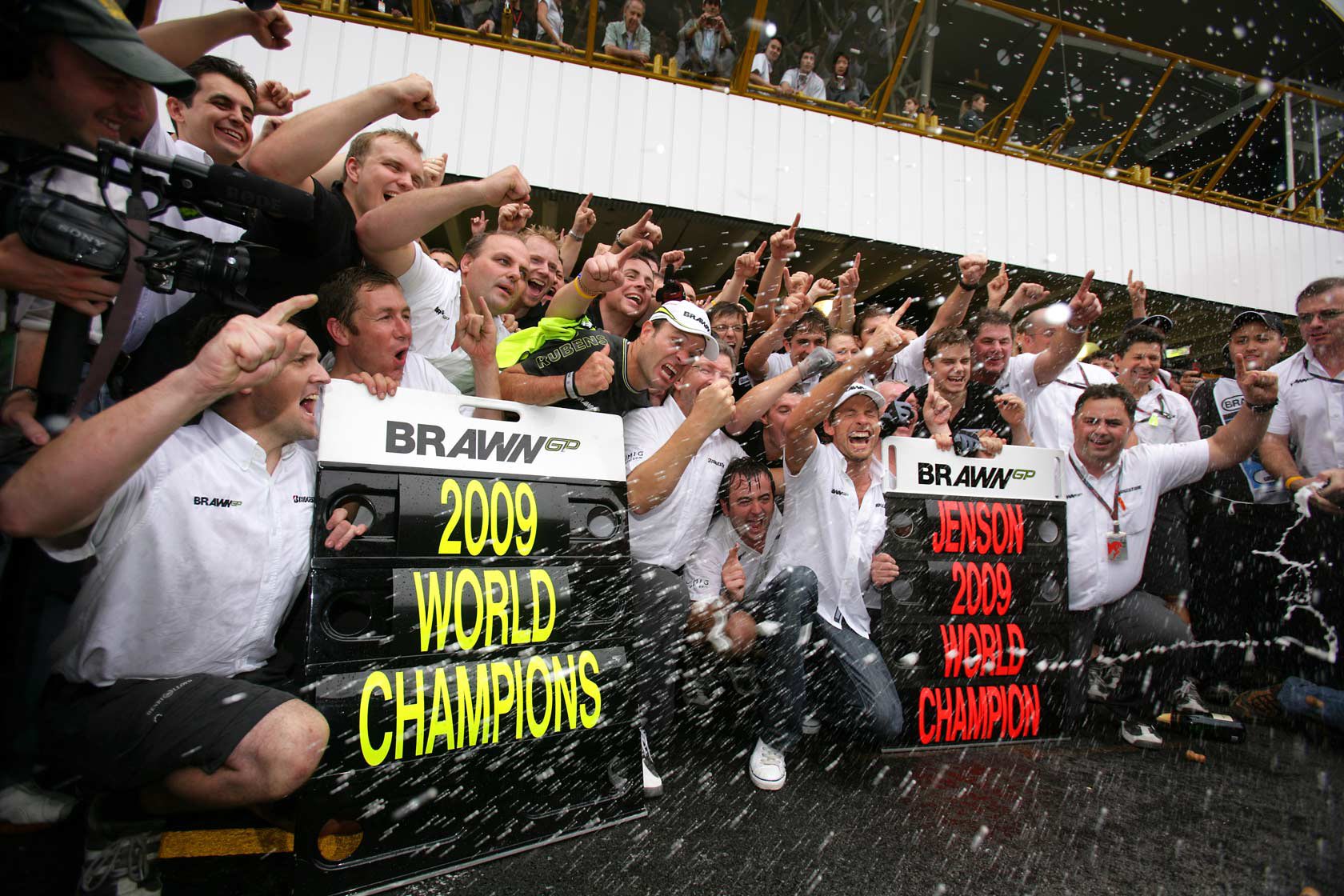
Brawn GP’s success in 2009 was unparalleled. The team won 8 of the first 10 races of the season, thanks to their superior car design and exceptional team strategy. Jenson Button, who had struggled to find consistent results in previous years, emerged as the star driver of the season. His combination of intelligent racecraft and the competitive advantage of the BGP001 car saw him clinch the Drivers' Championship with a total of 95 points, ahead of Barrichello and other competitors. The team also won the Constructors' Championship, securing their place in Formula 1 history as one of the most successful and unexpected teams in recent memory. This remarkable achievement was even more impressive given the financial and operational constraints the team faced compared to the likes of Ferrari, McLaren, and Renault, all of whom had far larger budgets and resources. Despite these challenges, Brawn GP’s ability to innovate and execute flawlessly on track was a testament to the leadership of Ross Brawn, who had a reputation for getting the most out of every situation. The success of the 2009 season, however, would be short-lived. In November 2009, just months after their stunning championship victory, Brawn GP was sold to Daimler AG and Aabar Investments. The team was rebranded as Mercedes GP, marking the end of Brawn GP’s short but historic run in Formula 1.
Legacy and Impact
Although Brawn GP was only active for a single season, its impact on the sport was profound. The team's success demonstrated that Formula 1 was not just about money and resources but also about innovation, strategy, and leadership. The double diffuser, in particular, became one of the most discussed and studied technical innovations in F1 history, and its influence was seen in the design of cars in subsequent seasons. Moreover, Brawn GP's story is a classic example of how a small team, led by a visionary leader like Ross Brawn, could challenge the dominance of the big-budget teams and succeed against all odds. In the years following its sale, Brawn’s legacy continued to inspire engineers, drivers, and team principals, and the success of Mercedes GP, which later evolved into the dominant Mercedes-AMG Petronas Formula One Team, can be traced back to the foundation laid by Brawn GP. The 2009 season remains one of the most memorable and unexpected triumphs in Formula 1 history, and Brawn GP’s brief existence solidified Ross Brawn as one of the greatest minds the sport has ever seen.